
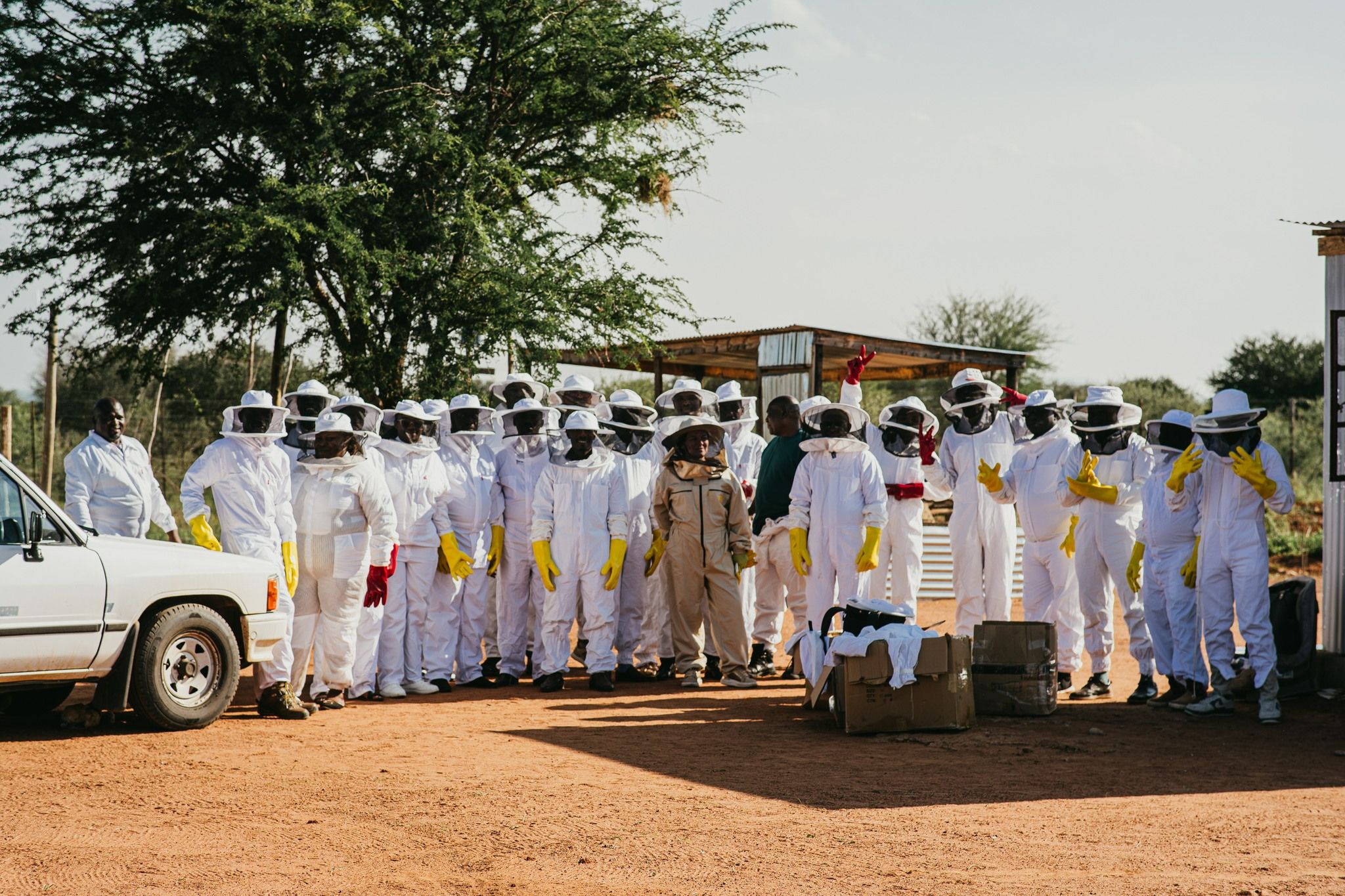
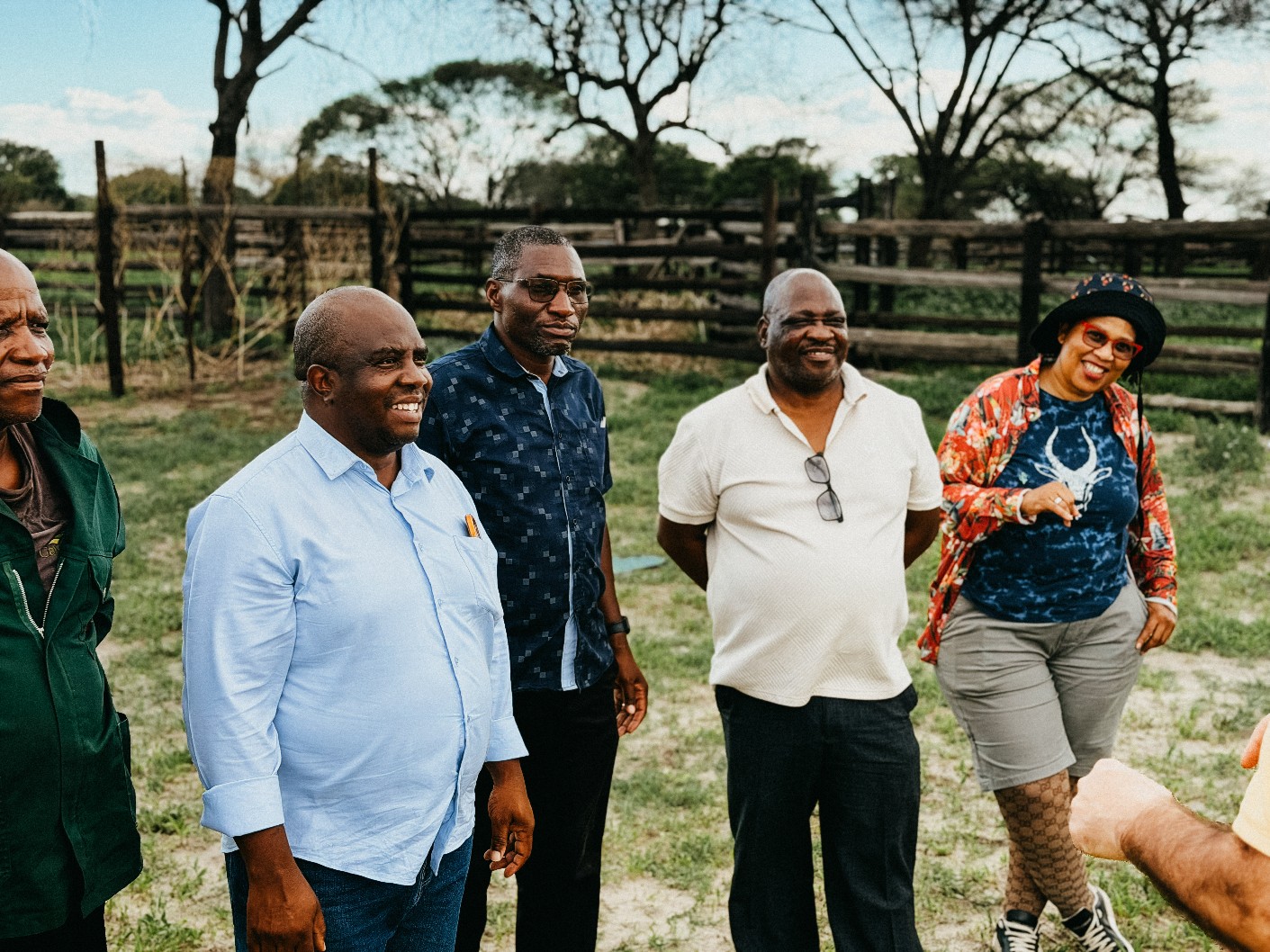
At the end of November 2025, the EDUVET Advanced Training successfully took place in Gaborone, Botswana, marking a major milestone of the EDUVETerinary project (Improving the EDUcation of VETerinary assistants in Africa through international cooperations). The training brought together veterinary education and training (VET) professionals and learners from Botswana, Malawi, Tanzania, and Zambia, reinforcing the importance of hands-on learning, scientific exchange, and international collaboration.
Designed as an advanced, practice-oriented programme, the training focused on equipping participants with real-world veterinary skills that directly support animal health, public health, and sustainable livelihoods.
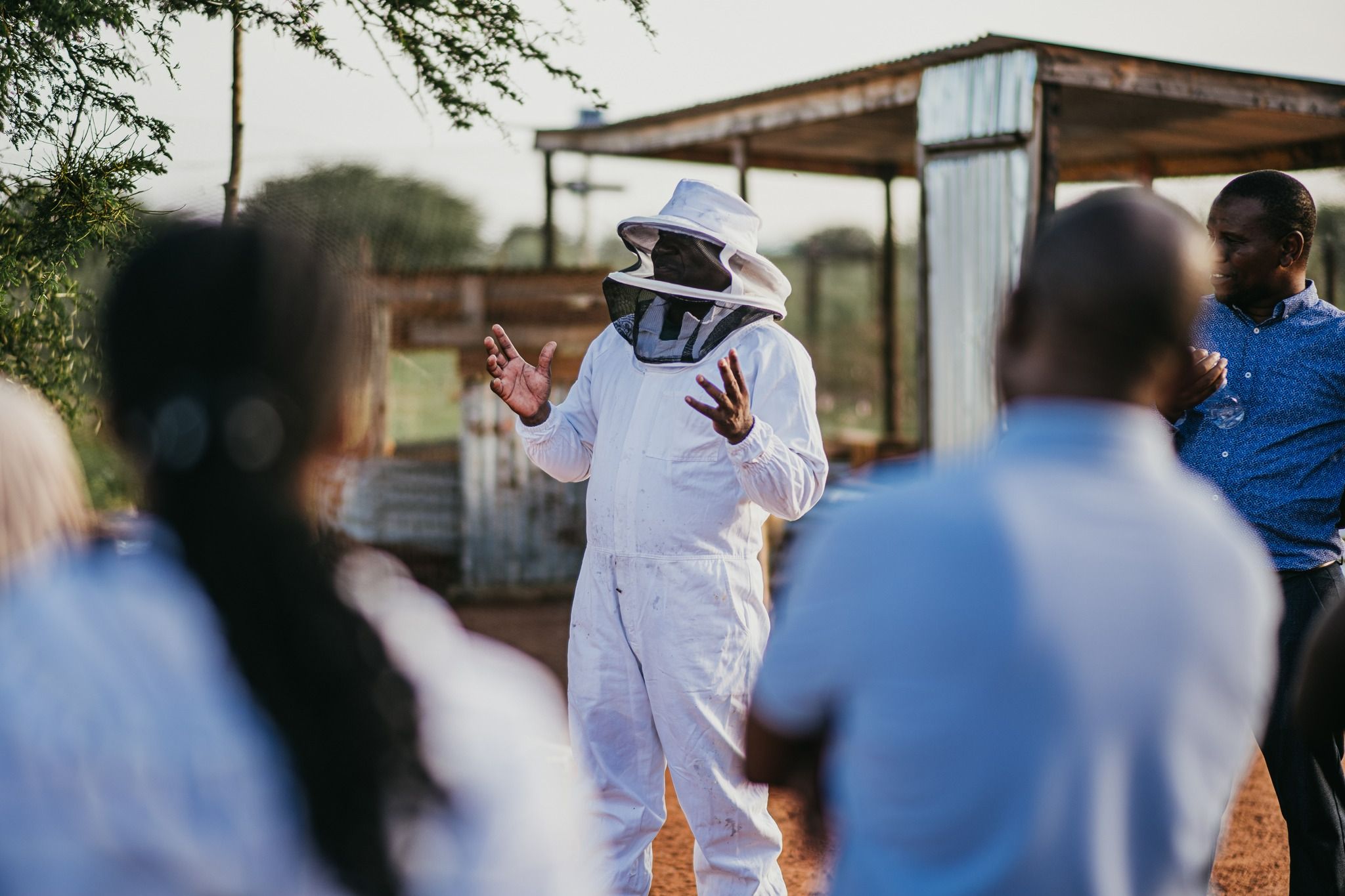
During the EDUVET Advanced Training, participants engaged in practical demonstrations, applied scientific sessions, and field-based learning covering a wide range of priority topics, including:
By combining theoretical knowledge with applied practice, the training strengthened participants’ ability to support farmers, protect livestock, and enhance food security within their local communities. Across the training activities, one message stood out clearly: strong veterinary education is built on strong partnerships, and innovation emerges when professionals learn together across borders.
The EDUVETerinary project is an Erasmus+ Capacity Building initiative that strengthens veterinary assistant VET systems in Sub-Saharan Africa through international cooperation, curriculum modernisation, and work-based learning.
The project connects VET providers and sector organisations from Botswana, Malawi, Tanzania, and Zambia with partners from Belgium, Hungary, and Slovakia, creating a multilateral network spanning three continents.
In the participating African countries, the livestock sector is a critical economic pillar. Well-trained veterinary assistants play a vital role as the first line of defence against animal-borne diseases, contributing to pandemic prevention, environmental resilience, and global health security. Strengthening veterinary education therefore directly supports poverty reduction, economic growth, and sustainable development.
By combining African expertise in vocational training with European experience in educational innovation and veterinary science, the EDUVETerinary project creates a collaborative framework that supports food security, animal welfare, and sustainable economic growth across seven countries.
The EDUVET Advanced Training in Botswana demonstrated how capacity building, cooperation, and practical learning can translate into long-term impact for education systems, communities, and the livestock sector.
The project is co-funded by the European Union.




Join our global network of educators, innovators, and changemakers. Get updates about our latest projects, open calls, trainings, and international opportunities — directly to your inbox.


